By 2030, We Will Be Drinking Much Less
How will the aperitivo of the future look? Most likely, it will be low in alcohol. And no, we do not need to project too far ahead.

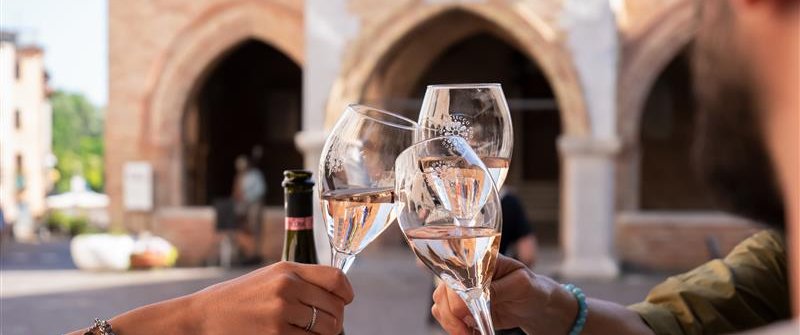
By 2030, our drinking habits will have changed significantly — and leading this shift is Generation Z, driven by increasing health consciousness and a tendency to socialize less than previous cohorts.
This raises a crucial question: What is the future of alcoholic beverages in a country whose market relies heavily on them?
A structural rethink will be required in production, portfolio diversification, and marketing strategies. Wine can no longer be sold solely on the basis of tradition or its association with the Mediterranean lifestyle. It is no longer feasible to ignore an emerging issue that is still too often underestimated.
The Decline of Alcohol? It Depends on Who You Ask
Data is unequivocal: alcohol consumption among young people is decreasing. Fewer young adults drink to socialize, and more actively seek alternatives — mocktails, kombucha, premium soft drinks. Beverages that do not cause headaches or harm the skin. Because the focus is no longer on the buzz but on control, clarity, and self-presentation. Heavy drinking is no longer “cool”; in fact, italready isn’t.
Does this imply that the alcohol sector is destined to disappear? No — but it must evolve. More focus on quality, less on quantity. Fewer excesses, more experience-driven consumption. Wine becomes a tasting moment; cocktails become a craft; beer becomes slow. People will not stop drinking — they will simply drink differently.
Within this transformation, organizations such as the Prosecco DOC Consortium can play a central role. The future is not abstinence but awareness. It is not about eliminating alcohol, but aboutmaking more informed choices. Understanding provenance, respecting the territory, and rewarding those who work with care and responsibility.
Drinking less — yes. But drinking better. Trusting those who protect product quality, safeguard the supply chain, and promote an authentic and sustainable drinking culture. In a changing world, the toast remains — but it becomes a more mindful, meaningful gesture. And perhaps an even more beautiful one.
Alcohol Marketing: The End of an Era
The alcohol industry has traditionally communicated through concepts of conviviality, lightness, and celebration. However, new consumers demand something different: stories, sustainability, authenticity. A small “drink responsibly” disclaimer is no longer sufficient. A radical repositioning is required. Wine can still embody culture; cocktails can still entertain — but the language must evolve.
And What About the Italian Aperitivo?
It will endure — but it will transform. Fewer spritzes and more no- and low-alcohol options. Fewer mandatory bubbles and more tailor-made proposals. An aperitivo that does not need to intoxicateto engage — one that can still offer emotional value. Because the pleasure of a drink does not lie in its alcohol content, but in the experience it creates.
2030 is not that far away. Those who adapt will thrive. Those who do not risk being left behind.